
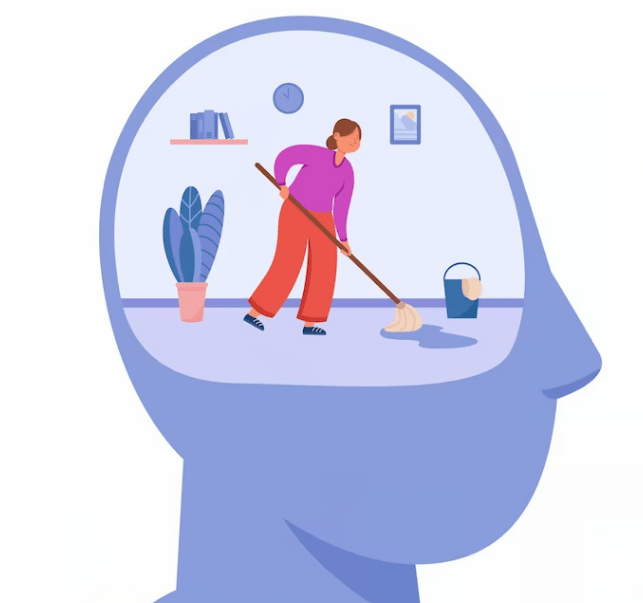
For many people, a complete cleaning is a tedious and endless task that they are afraid to do every week. But it doesn’t have to be that way. Cleansing has many benefits for your physical and mental health that can help you lead a happier, more organized and fulfilling life.
Including a cleaning schedule in your daily life may seem like another addition to your to-do list, but if you put all your energy into it and find interesting ways to include it in your schedule, you may enjoy cleaning your house more than you think you could expect.
Cleaning brings satisfaction, acts as a conscious distraction, relieves stress or anxiety, helps reduce susceptibility to diseases and bacteria, and promotes a cleaner and healthier lifestyle.
Regular cleaning procedures once or twice a week reduces the number of things you need to do in one “session”, which makes it more manageable and less burdensome to solve.
However, by delaying cleaning for later, you will probably find that you have a lot of things to do at the same time, and it may be more difficult for you to keep things like clothes and bedding in hygienic conditions.
“but housekeeping is boring and I’m busy!’
There are many ways to make cleaning more interesting and adapt it to your lifestyle.
First, determine what you like.
If you love music, listening to a song with a strong rhythm is a great way to keep awake and distract yourself; it will help you not to get bored. Alternatively, you can try listening to an audiobook or maybe a radio to engage your brain.
If you are Spiritual or religious, or if you practice meditative practices, you can include cleansing in them to cleanse your home and your body of negative energies.
You can also meditate or pray before cleansing, light incense while working, and use crystals such as selenite or tourmaline to purify your space. Ritual purification is part of many religious practices around the world, including Christianity, Islam and Hinduism, as well as pagan and spiritualistic practices.
If you don’t like any of these items and prefer a more practical approach, you can turn on the TV, do the cleaning at the same time as cleaning with your own hands, or just do the cleaning while you do your usual household chores.
Then determine the limitations and requirements of your lifestyle.
If you are a creative person, you may be inclined to create a lot of clutter. Although this is not uncommon among creative people, it is possible that your house or apartment is polluted and leaves you less space for your usual activities, and you are stressed trying to work in a cluttered environment.
If you have a more logical mindset or a strategy-based mindset, you will probably have less clutter, but working long hours can make it difficult to perform a thorough cleaning routine. So instead of doing a big cleaning at the end of the week, why not do one or two small cleaning every day before work?
This eliminates the hassle of housework, allowing you to freely spend “free time”. Also, after a week of a little cleaning every day, you won’t have to do it on weekends!
How To Make A Cleaning Schedule And Stay On Top
If you want to clean up your house, but the idea of doing it is too tedious, the best way to approach work is simply to make a list of things that need to be cleaned. This will help you determine what you need to do, how and when to do it.
The trick is not to delay cleaning sessions and only perform two or three tasks per session. If you have too long a cleansing session, you may get tired or stressed, which will prevent you from doing it next time.
Instead, try to schedule 2-3 longer cleaning sessions per week, while certain work (for example, washing dishes, cleaning the kitchen, etc.) is performed daily or every other day.
But I Don’t Have The Motivation To Do It!’
If you have problems with motivation, especially if you suffer from attention deficit disorder (ADHD) or depression, you can ask yourself to clean up your house using a daily planner, your phone’s daily planner or one of the many apps on the market.. Alternatively, if you have a reliable support network, you can ask them to push you when you’re struggling to maintain a self-service mode.
Another good way to motivate yourself is to give yourself a reward every time you run a household.
Maybe you’ll have a chocolate bar when you finish the week’s cleaning? Or maybe you could be really mean and have a glass or two of wine when you finish all the cleaning jobs on your list?
Whatever you find motivates you, accept it and use it to your advantage.
Clean House, Clean Body
There are many ways to clean up your house to keep your body in optimal condition.
First of all, cleaning is a great way to incorporate exercise into your daily life, especially for those (for example, the elderly) who may not be able to perform more intense exercises.
Rearranging furniture, vacuuming, mopping, making the bed and many other regular cleaning are all effective ways to burn calories: up to 100 calories are burned in just half an hour! Moving heavy equipment and furniture will also help keep your muscles strong, lean and crisp.
Cleaning can also help you eat healthier! Studies have shown that people eat more and more junk food during times of stress, and that living in a dirty and dirty house increases cortisol levels and therefore increases stress.
In addition, a study conducted in 2013 showed that people who worked in a neat and organized room were more likely to choose an apple rather than a bar of chocolate when choosing something to eat. Consequently, the cleaner your home, the less stress you will experience and the healthier food you will eat.
Also, if you have problems with insomnia, your dirty bedroom may be the cause. A survey conducted by the National Sleep Foundation found that going to bed in the morning can increase your night’s sleep by as much as 20%.
Regular cleaning of your house also means that you won’t get sick easily.It helps to get rid of viruses, bacteria, pollen, dust and unpleasant fungal spores that can cause respiratory diseases such as asthma and allergies.
The best places to start? Mymove.com she identified nine of the most clogged places in her home, including dishwashers, kitchen sink, toothbrush holders, pet bowls and bathroom faucets, among others.
Mental Health Benefits Of Keeping The House Clean
Keeping your home clean is an easy way to reduce stress levels.
Firstly, it will help you stay more organized as you will know where everything you need is located. No more rushing at the last minute in the morning trying to find those important files before work! This will help to reduce and control the level of cortisol (stress hormone).
Then clutter causes us stress because it overloads our brain with excessive visual stimuli. This contributes to the so-called sensory overload and is a particular problem for people with ADHD, autism and some mental disorders that can cause increased stress levels as a result of strange stimulation.
Clutter also causes feelings of guilt and anxiety when viewing works that have not yet been completed. It’s hard to get rid of the feeling of depression when there is evidence of unfulfilled tasks right in front of you.
Another aspect of mental health that affects the disorder is concentration. When we are overly excited, our brain works overtime trying to process additional visual information. This leads to the fact that he cannot concentrate on other things, such as, for example, work.
Feeling overwhelmed by clutter can also contribute to the development of coping mechanisms that should be avoided, such as overeating junk food or watching TV.
All this means that by cleaning up the mess in your home, you can also achieve a more orderly and calm state of mind.
For example, in 2011, researchers using functional magnetic resonance imaging, among other biological measurements, found that eliminating clutter in close proximity led to improved concentration, information processing, and increased performance of participants.